What Is Search Engine Optimization (SEO)?
Search Engine Optimization (SEO) is the process of improving a website’s visibility in search engine results pages (SERPs) to increase organic (non-paid) traffic.
In simple terms, SEO helps search engines understand your content and match it with users’ search queries.
When done correctly, it increases your chances of appearing higher in Google and other search engines.
SEO is not about tricks or shortcuts. It is about creating valuable content, improving website structure, and building trust signals that search engines recognize.
Why SEO Is Important
SEO plays a critical role in digital growth for several reasons:
- Increases organic traffic without relying on paid ads
- Builds credibility and trust by ranking on the first page
- Improves user experience through better site structure
- Generates long-term results compared to short-term advertising
Most users click on results that appear on the first page of Google.
If you don’t optimize your website, you’re losing out on significant traffic opportunities.
How SEO Works
Search engines follow three main steps:
1. Crawling
Search engines use bots (also called spiders) to discover web pages across the internet.
2. Indexing
Discovered pages are stored and organized in a massive database.
3. Ranking
When a user searches for something, search engines analyze indexed pages and rank them based on relevance, quality, and authority.
SEO helps improve your site’s performance in all three areas.

Main Types of SEO
1. On-Page SEO
On-page SEO focuses on optimizing elements within your website, including:
- Keyword research and placement
- Title tags and meta descriptions
- Header tags (H1, H2, H3)
- Internal linking
- High-quality, relevant content
- Optimized URLs
The on-page SEO ensures that search engines clearly understand your content and that users find it useful.
2. Off-Page SEO
Off-page SEO refers to activities outside your website that improve authority and trust.
The most important factor here is:
Backlinks (links from other reputable websites)
High-quality backlinks signal to search engines that your content is valuable and trustworthy.
3. Technical SEO
Technical SEO focuses on optimizing the backend structure of your website to improve crawling and indexing.
Key elements include:
- Website speed
- Mobile-friend
- Secure HTTPS connection
- XML sitemaps
- Structured data (schema markup)
- Clean site architecture
Without strong technical SEO, even great content may struggle to rank.
Key SEO Best Practices
Focus on High-Quality Content
Content should solve real problems and match search intent. Search engines prioritize helpful, relevant, and well-structured content.
Use Smart Keyword Strategy
- Choose one primary (focus) keyword
- Include related and long-tail keywords naturally
- Avoid keyword stuffing
Modern SEO is about intent, not just repeating keywords.
Optimize for Mobile Users
Google uses mobile-first indexing, meaning it primarily evaluates the mobile version of your site.
Improve Page Speed
Fast-loading pages improve user experience and ranking performance.
Build Authoritative Backlinks
Quality matters more than quantity.
A few strong backlinks are better than many low-quality ones.
SEO Tools That Help
Several tools can simplify SEO implementation:
- AIOSEO and Yoast (WordPress SEO plugins)
- SEMrush and Moz (keyword research and competitor analysis)
- Google Search Console (performance tracking and indexing insights)
- Google Analytics (traffic analysis)
These tools help monitor performance and identify areas for improvement.
Common SEO Mistakes to Avoid
- Keyword stuffing
- Buying low-quality backlinks
- Ignoring technical issues
- Publishing duplicate content
- Neglecting mobile optimization
- Overlooking user experience
SEO is a long-term strategy. Shortcuts often lead to penalties.
How to Measure SEO Success
Track these key metrics:
- Organic traffic
- Keyword rankings
- Click-through rate (CTR)
- Bounce rate
- Conversions and goal completions
Continuous monitoring allows you to refine your strategy over time.
The Future of SEO
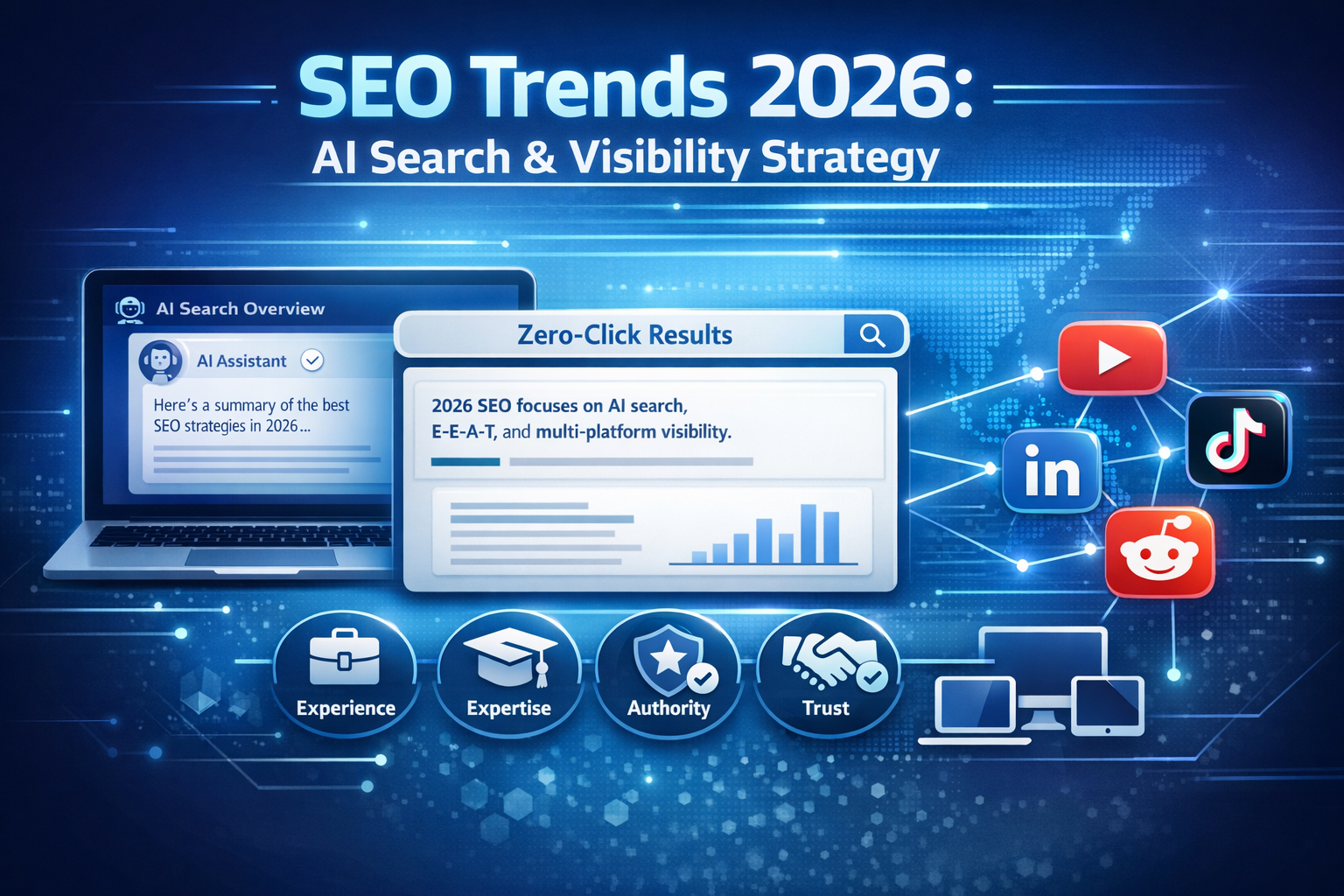
SEO is evolving rapidly with AI-driven search systems and improved understanding of user intent. Today, success depends on:
- Creating helpful content
- Demonstrating expertise and trust
- Delivering strong user experience
- Maintaining technical health
SEO is no longer just about ranking—it’s about building sustainable digital authority.
Final Thoughts
Search Engine Optimization (SEO) is essential for anyone who wants to grow online organically. By combining high-quality content, technical optimization, and authority-building strategies, you can achieve long-term visibility and business growth.